 Statesman Tie’s Missouri Tie was designed to represent the Missouri Flag. The design takes elements from the Missouri flag and mixes them together to create a tie that can be worn at any time for any occasion.
 -
 Statesman Tie’s Missouri Tie was designed to represent the Missouri Flag. The design takes elements from the Missouri flag and mixes them together to create a tie that can be worn at any time for any occasion.
 -

 Statesman Tie’s Micronesia Skinny Tie (or officially "Federated States of Micronesia") was designed to represent the flag of Micronesia.
 -
 Statesman Tie’s Micronesia Tie (or officially "Federated States of Micronesia") was designed to represent the flag of Micronesia.
 -
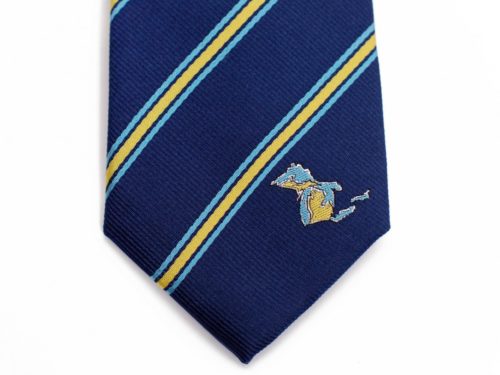
 Statesman Tie’s Michigan Skinny Tie was designed to represent the flag of Michigan as well as some of its most famous landmarks; the lakes. The navy blue color represents the background of the flag.
 -

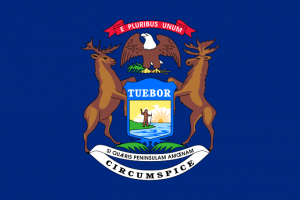 Statesman Tie’s Michigan Tie was designed to represent the flag of Michigan as well as some of its most famous landmarks; the lakes.
 -
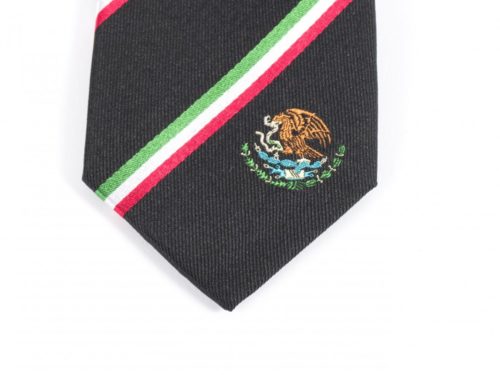
 Statesman Tie’s Mexico Skinny Tie was designed to represent the Mexican Flag. The national flag of Mexico is a vertical tricolor of green, white, and red with the national coat of arms centered in the middle of the white stripe.
 -

 Statesman Tie’s Mexico Tie was designed to represent the Mexican Flag. The design takes elements from the Mexican flag and mixes them together to create a tie that can be worn at any time for any occasion.
 -

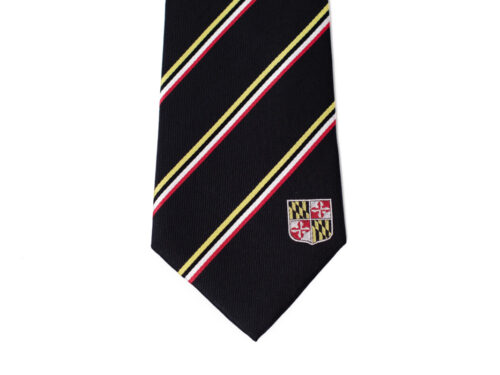
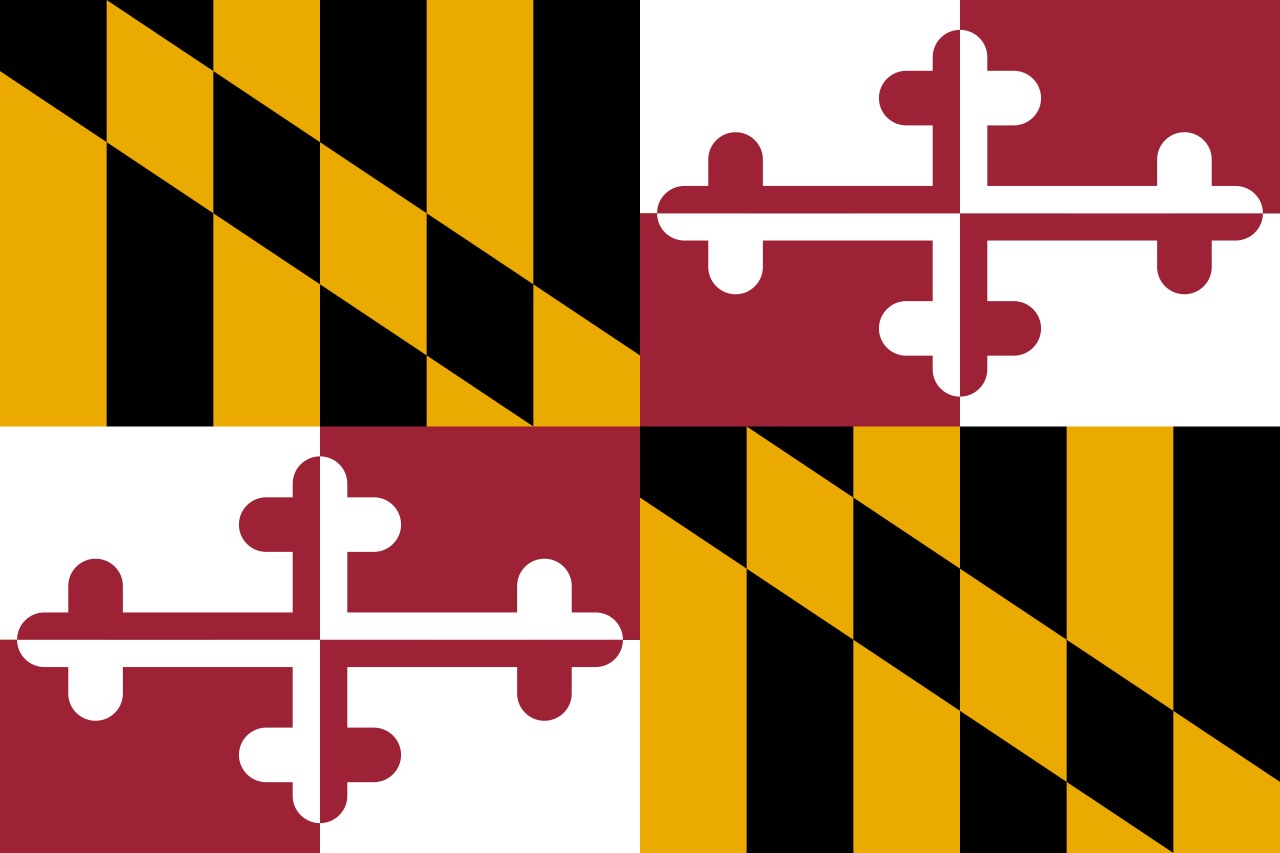 Statesman Ties Maryland Skinny Tie was designed to represent the flag of Maryland.
 -

 Statesman Ties Marshall Islands Tie was designed to represent the flag of the Marshall Islands.
 -
 The fleur-de-lis, symbolizing French royalty and Catholicism,arrived in Louisiana with colonists in the 17th century, becoming a symbol of civic pride in New Orleans and a state symbol in 2008. It has a dark history, as the 1724 Code Noir used it to brand enslaved people. It represents resilience, particularly post-Katrina.
 -

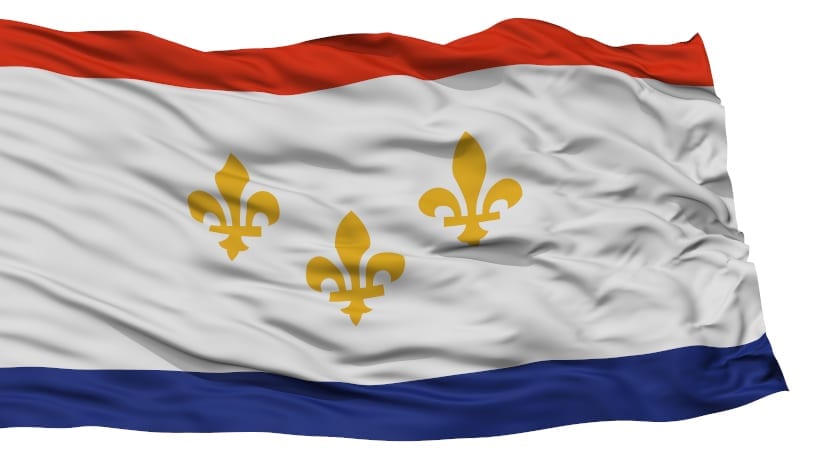 The fleur-de-lis, symbolizing French royalty and Catholicism,arrived in Louisiana with colonists in the 17th century, becoming a symbol of civic pride in New Orleans and a state symbol in 2008. It has a dark history, as the 1724 Code Noirused it to brand enslaved people. It represents resilience, particularly post-Katrina.